Your vehicle’s wheels are one of the first things people notice, and keeping them in great shape is both a practical and aesthetic priority. Whether you drive a daily commuter, a family SUV, or a classic sedan, wheel accessories play a vital role in maintaining the overall look and longevity of your car. Hubcaps and wheel covers are two of the most popular and widely used wheel accessories on the market today, helping millions of drivers protect their wheels while elevating the appearance of their vehicles. Understanding the differences, benefits, and options available can help you make a smarter, more informed decision for your specific needs.
What Are Hubcaps?
Hubcaps are small, round covers designed to fit over the center portion of a wheel — specifically the hub area where the axle passes through. They are primarily intended to protect the wheel bearings, lug nuts, and other central wheel components from road debris, dirt, moisture, and dust. Typically made from plastic, aluminum alloy, or chrome-finished metal, hubcaps offer a clean, finished look without covering the entire wheel face.
Because they only cover the central hub, hubcaps allow part of the steel or alloy rim to remain visible. This gives vehicles a sportier or more streamlined look, which many drivers prefer. Hubcaps are usually secured with clips or retention rings, making them incredibly easy to install or remove — a particularly useful feature when you need to change a tire on the side of the road.
One of the biggest advantages of hubcaps is their affordability. They are typically less expensive than full wheel covers, making them a cost-effective solution for drivers who want a neat, polished appearance without a large investment. They are also lightweight, which means they do not add unnecessary weight to your vehicle and can even contribute slightly to better fuel efficiency by reducing drag.
What Are Wheel Covers?
Wheel covers, on the other hand, are larger accessories designed to cover the entire face of the wheel — from the center hub all the way to the outer edge. They are made to snap or bolt onto the wheel and provide complete coverage, concealing the steel wheel entirely beneath a finished, often decorative surface.
Hubcaps and wheel covers both serve the fundamental purpose of protecting your wheels and enhancing your vehicle’s appearance, but wheel covers do so on a much grander scale. Because they cover the full diameter of the wheel, they offer superior protection against road debris, dirt, grime, and environmental wear. This makes wheel covers particularly valuable for drivers who live in regions with harsh weather conditions, rough roads, or heavy exposure to road salt during winter months.
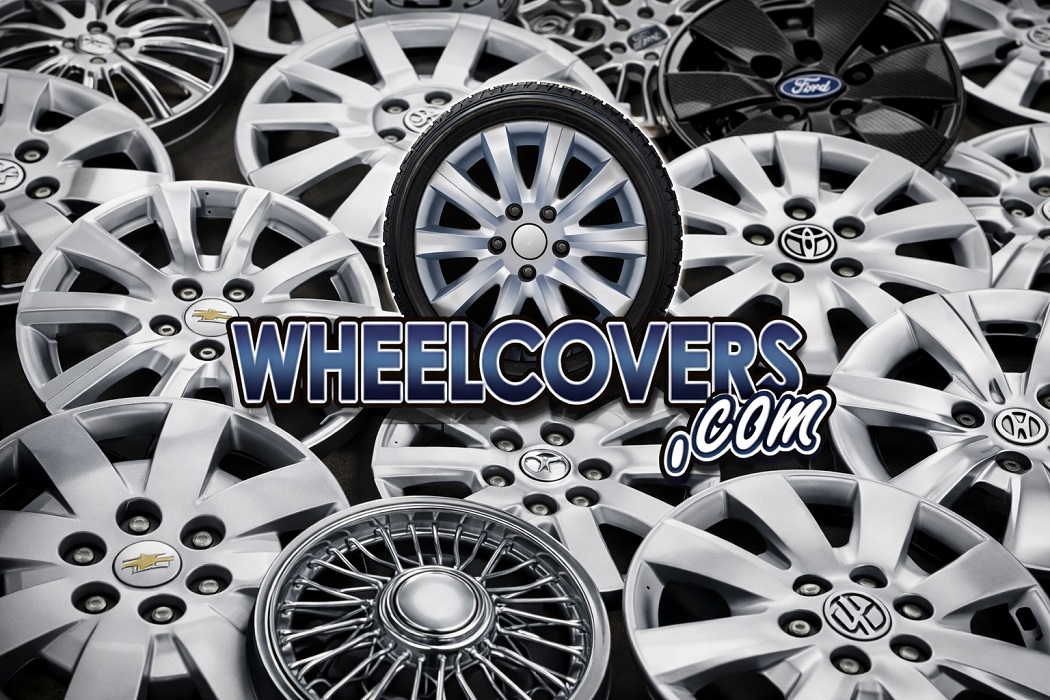
Wheel covers are available in a wide variety of styles, finishes, and designs — from classic chrome and silver to modern matte black and custom patterns. This variety makes it easy to find a set that perfectly matches your vehicle’s aesthetic, whether you prefer a sleek, understated look or something bold and eye-catching.
Key Differences between Hubcaps and Wheel Covers
While both accessories serve similar purposes, there are several important distinctions to be aware of before making a purchase:
- Coverage: Hubcaps cover only the center hub of the wheel, while wheel covers provide full coverage across the entire wheel face.
- Material: Hubcaps are often made from lightweight plastic or chrome-plated metal. Wheel covers are typically constructed from heavier, more durable plastic or composite materials.
- Protection: Wheel covers offer broader protection from dirt, debris, and weather than hubcaps.
- Style Impact: Wheel covers create a more dramatic visual transformation, as they hide the entire steel wheel. Hubcaps offer a subtler enhancement.
- Price: Hubcaps are generally more affordable, while wheel covers tend to cost more due to their larger size and more comprehensive coverage.
- Installation: Both are relatively easy to install, though some wheel covers may require bolts or screws for a more secure fit.
Types of Hubcaps and Wheel Covers
The market offers a broad selection of styles to suit different vehicles and preferences:
- Plastic hubcaps are lightweight, affordable, and available in numerous colors and designs, making them a popular choice for budget-conscious drivers.
- Chrome hubcaps add a polished, reflective shine that gives older vehicles a refreshed, premium look.
- Snap-on hubcaps are engineered to click securely into place without tools, making them user-friendly and ideal for quick installation.
- Full wheel covers span the entire wheel surface and are perfect for drivers who want a complete style overhaul without the cost of new alloy rims.
- Bolt-on wheel covers are secured with screws rather than clips, providing a more stable and secure fit — especially useful for vehicles that see high speeds or rough terrain.
- Wheel simulators mimic the appearance of polished stainless steel rims and are commonly used on commercial vehicles and trucks for a professional finish.
How to Choose the Right Option for Your Vehicle
Choosing between hubcaps and wheel covers depends on a few key factors. First, consider your vehicle’s wheel size — both hubcaps and wheel covers are manufactured to fit specific wheel diameters, typically ranging from 13 to 17 inches for standard passenger vehicles. Always check your vehicle’s specifications before purchasing to ensure a proper fit.
Next, think about your priorities. If protection is your primary concern and you want the most comprehensive coverage possible, full wheel covers are the better choice. If you’re looking for a quick, affordable upgrade that still improves the look of your wheels, hubcaps offer excellent value.
Style preferences also play a significant role. Wheel covers can completely transform the appearance of plain steel wheels, making them look similar to expensive alloy rims at a fraction of the cost. For drivers who want to maintain a more natural or sporty look with the rim partially visible, hubcaps are the ideal option.
Finally, consider ease of maintenance. Both hubcaps and wheel covers are easy to clean with soap and water, but full wheel covers may accumulate more dirt along their edges due to their larger surface area. Regular cleaning will keep them looking their best and extend their lifespan significantly.
Installation and Maintenance Tips
Installing hubcaps and wheel covers is a straightforward process that most drivers can handle at home without professional help. For snap-on or clip-style covers, simply align the cover with the wheel’s valve stem opening and press firmly until all the clips click into place. For bolt-on styles, use the appropriate tools to fasten the screws securely without overtightening.
To maintain your wheel accessories, rinse them regularly to remove brake dust, road salt, and grime. Avoid harsh chemical cleaners that can damage finishes. Inspect the retention clips or bolts periodically to ensure they are holding securely, as loose covers can fall off at highway speeds and create hazards.
Investing in a quality set of hubcaps or wheel covers is one of the simplest and most cost-effective ways to upgrade your vehicle’s appearance, protect your wheels from daily wear, and potentially improve your car’s resale value — making it a smart choice for any driver.